
DRY EYE TREATMENT
At Palm Valley Eye, we provide advanced treatments to relieve dry eye symptoms and restore your eye comfort.
DRY EYE TREATMENT
At Palm Valley Eye, we provide advanced treatments to relieve dry eye symptoms and restore your eye comfort.
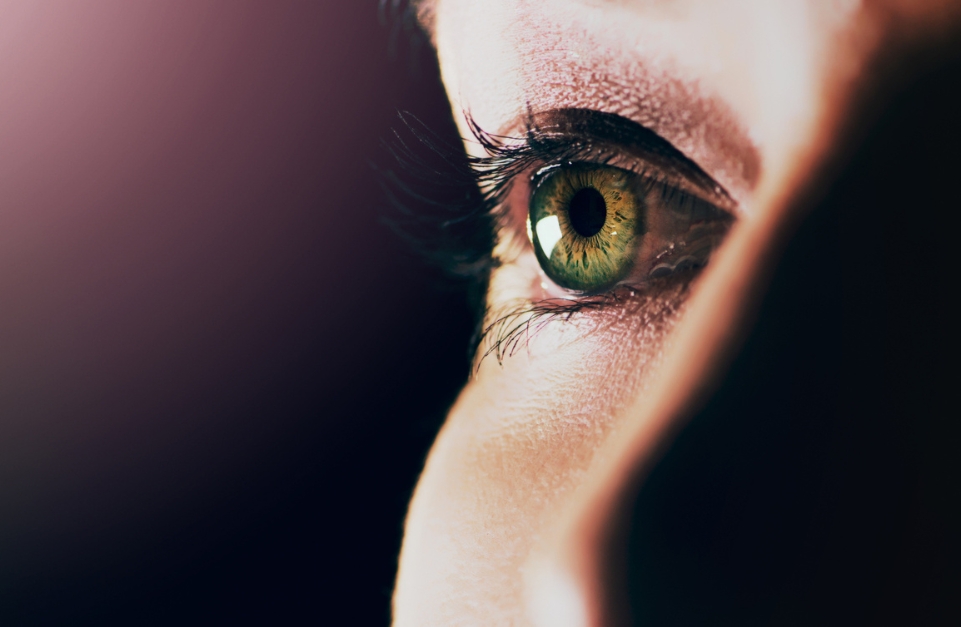
WHAT IS DRY EYE SYNDROME?
Dry eye syndrome, also known as dry eye disease, occurs when your eyes don’t produce enough tears or when your tears evaporate too quickly. As a result, you may experience dryness, irritation and discomfort.
WHAT ARE THE SYMPTOMS OF DRY EYE DISEASE?
In addition to dryness, dry eye syndrome may cause the following symptoms:
- Gritty or sandy feeling
- Burning or stinging sensation
- Redness and inflammation
- Light sensitivity
- Blurry vision
- Watery eyes
- Eye fatigue or the feeling of heavy eyes
- Foreign body sensation (or the feeling that something is stuck in your eye)
WHAT IS DRY EYE SYNDROME?
Dry eye syndrome, also known as dry eye disease, occurs when your eyes don’t produce enough tears or when your tears evaporate too quickly. As a result, you may experience dryness, irritation and discomfort.
WHAT ARE THE SYMPTOMS OF DRY EYE DISEASE?
In addition to dryness, dry eye syndrome may cause the following symptoms:
- Gritty or sandy feeling
- Burning or stinging sensation
- Redness and inflammation
- Light sensitivity
- Blurry vision
- Watery eyes
- Eye fatigue or the feeling of heavy eyes
- Foreign body sensation (or the feeling that something is stuck in your eye)
Michael McAfee
“THEY WERE FRIENDLY, PROFESSIONAL AND EXTREMELY KNOWLEDGEABLE.”
Michael McAfee
“THEY WERE FRIENDLY, PROFESSIONAL AND EXTREMELY KNOWLEDGEABLE.”
WHAT CAUSES DRY EYE SYNDROME?
Dry eye disease can be caused by a variety of factors, including the following:
- Age: Tear production naturally decreases with age, especially after 50.
- Environmental allergies: Environmental conditions such as strong winds, smoke and dry air can make tears evaporate more quickly.
- Screens: Extended screen time evaporates tears off the surface quickly, causing dryness.
- Hormonal changes: Changes associated with pregnancy and menopause can affect tear production.
- Medications: Some medications, including antihistamines, antidepressants and decongestants, may reduce tear production.
- Medical conditions: Autoimmune diseases, such as Sjögren’s syndrome, thyroid disease, and rheumatoid arthritis and lupus, can cause dry eyes.
- Eyelid issues: Eyelid conditions like ectropion, entropion, and lagophthalmos (in which the eyelids don’t completely close) can prevent proper tear distribution.
- Contact lenses: Contact lenses may disrupt the tear film and increase dryness.
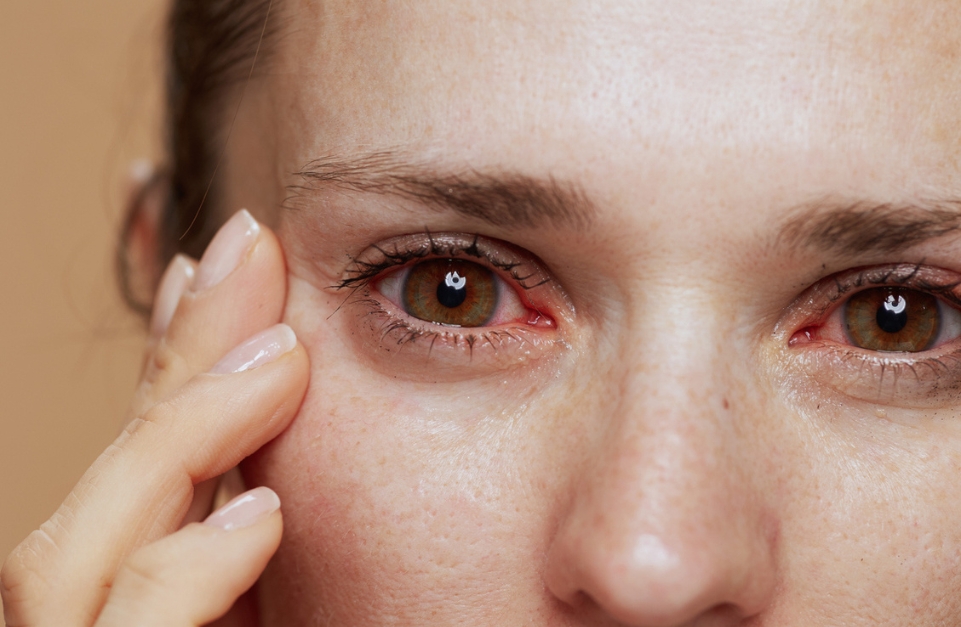
WHAT CAUSES DRY EYE SYNDROME?
Dry eye disease can be caused by a variety of factors, including the following:
- Age: Tear production naturally decreases with age, especially after 50.
- Environmental allergies: Environmental conditions such as strong winds, smoke and dry air can make tears evaporate more quickly.
- Screens: Extended screen time evaporates tears off the surface quickly, causing dryness.
- Hormonal changes: Changes associated with pregnancy and menopause can affect tear production.
- Medications: Some medications, including antihistamines, antidepressants and decongestants, may reduce tear production.
- Medical conditions: Autoimmune diseases, such as Sjögren’s syndrome, thyroid disease, and rheumatoid arthritis and lupus, can cause dry eyes.
- Eyelid issues: Eyelid conditions like ectropion, entropion, and lagophthalmos (in which the eyelids don’t completely close) can prevent proper tear distribution.
- Contact lenses: Contact lenses may disrupt the tear film and increase dryness.
HOW TO DIAGNOSE DRY EYE SYNDROME?
If you notice signs of eye dryness, you should obtain an evaluation with an ophthalmologist to diagnose the underlying cause. During the appointment, you can expect to answer questions about your symptoms, medical history and lifestyle factors. Dr. Scott may evaluate the surface with the following tests, as needed:
- Tear break-up time (TBUT) test: This test assesses how stable your tears are by measuring how fast the tears disperse after you blink. Once the dye spreads across your tear film, the dry eye specialist will time how long it takes for dry spots to appear. If it takes less than 10 seconds, you may have dry eye disease.
- Ocular surface staining: Like TBUT tests, this test involves putting dye into the eye. Fluorescein dye is used to highlight areas of damage
- Schirmer’s test: In this test, small strips of paper are placed under the lower eyelid to measure tear production. This test helps measure the volume of tears produced.
- Tear osmolarity test: Specialized lab tests may be utilized to assess inflammatory markers in the tear film.
HOW TO DIAGNOSE DRY EYE SYNDROME?
If you notice signs of eye dryness, you should obtain an evaluation with an ophthalmologist to diagnose the underlying cause. During the appointment, you can expect to answer questions about your symptoms, medical history and lifestyle factors. Dr. Scott may evaluate the surface with the following tests, as needed:
- Tear break-up time (TBUT) test: This test assesses how stable your tears are by measuring how fast the tears disperse after you blink. Once the dye spreads across your tear film, the dry eye specialist will time how long it takes for dry spots to appear. If it takes less than 10 seconds, you may have dry eye disease.
- Ocular surface staining: Like TBUT tests, this test involves putting dye into the eye. Fluorescein dye is used to highlight areas of damage
- Schirmer’s test: In this test, small strips of paper are placed under the lower eyelid to measure tear production. This test helps measure the volume of tears produced.
- Tear osmolarity test: Specialized lab tests may be utilized to assess inflammatory markers in the tear film.
HOW TO PREVENT DRY EYE DISEASE?
When it comes to dry eye disease, it’s important not to ignore symptoms. Over time, eye dryness can lead to complications such as infections, scarring and corneal injuries. Here are some simple steps you can take to help reduce your risks:
- Limit screen time: Avoid staring at screens for prolonged periods of time. Try to follow the 20-20-20 rule—every 20 minutes, look at something 20 feet away for at least 20 seconds.
- Use a humidifier: Humidifiers keep your indoor air moist, which can assist with environmental-related eye dryness.
- Maintain a healthy diet: Consume ingredients that support eye health, such as omega-3 fatty acids. These can be found in fish, flaxseed and walnuts.
- Avoid pollutants: Limit your exposure to triggering environmental factors, such as allergens, smoke, dust and debris.
- Use artificial tears: Never use tap water, as this can lead to infections and further irritation. Over-the-counter (OTC) eye drops can help restore and maintain moisture.
- Maintain eyelid hygiene: Regularly clean your eyelids to remove oil buildup or debris.
- Take supplements: Some supplements, such as vitamin B12 supplements, can increase tear production. Always consult your doctor before taking any new supplements.
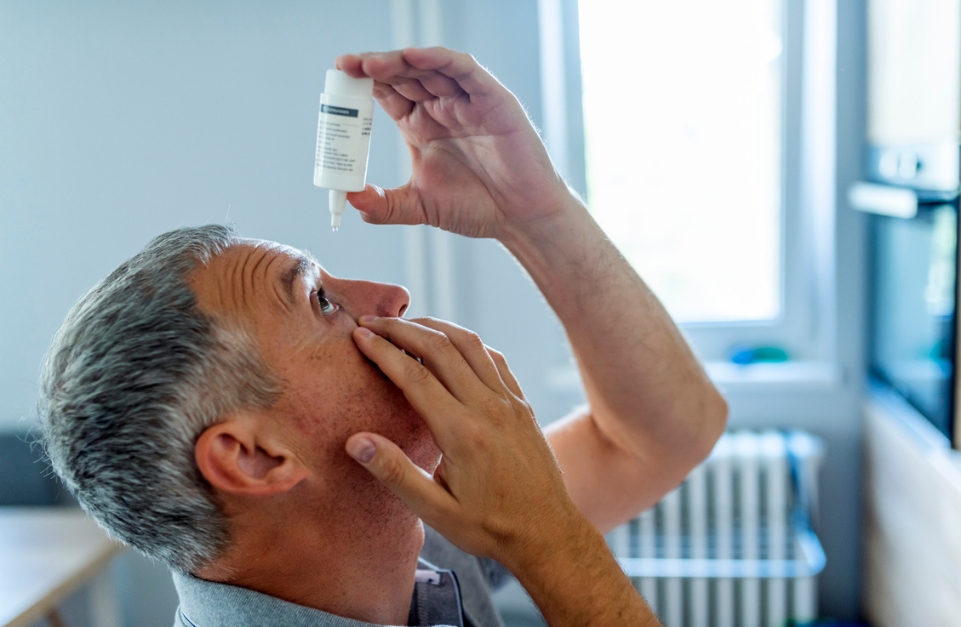
HOW TO PREVENT DRY EYE DISEASE?
When it comes to dry eye disease, it’s important not to ignore symptoms. Over time, eye dryness can lead to complications such as infections, scarring and corneal injuries. Here are some simple steps you can take to help reduce your risks:
- Limit screen time: Avoid staring at screens for prolonged periods of time. Try to follow the 20-20-20 rule—every 20 minutes, look at something 20 feet away for at least 20 seconds.
- Use a humidifier: Humidifiers keep your indoor air moist, which can assist with environmental-related eye dryness.
- Maintain a healthy diet: Consume ingredients that support eye health, such as omega-3 fatty acids. These can be found in fish, flaxseed and walnuts.
- Avoid pollutants: Limit your exposure to triggering environmental factors, such as allergens, smoke, dust and debris.
- Use artificial tears: Never use tap water, as this can lead to infections and further irritation. Over-the-counter (OTC) eye drops can help restore and maintain moisture.
- Maintain eyelid hygiene: Regularly clean your eyelids to remove oil buildup or debris.
- Take supplements: Some supplements, such as vitamin B12 supplements, can increase tear production. Always consult your doctor before taking any new supplements.
HOW TO TREAT DRY EYE SYNDROME?
While lifestyle and environmental changes can help treat and prevent dry eye syndrome, they’re not always effective. Depending on your symptoms, some patients may require professional management and medical treatments. At Palm Valley Eye, we offer the following dry eye treatments:
- Our office prescribes all variations of cyclosporine, Restasis, Cequa, Xiidra, Veveye, Tryptyr, and topical steroids as needed. Other drops commonly associated with dry eye include Xdemvy and Meibo.
- Prescription medications: Some topical medications, such as cyclosporine, help combat eye dryness by reducing inflammation that blocks tear production. Oral medications, like doxycycline, can help reduce inflammation and stabilize the tear film.
- Punctal plugs: This treatment involves inserting tiny plugs into tear ducts to block tear drainage, which makes the tears remain on the surface of the eye for longer periods of time.
- Punctal cautery: Punctal cautery uses heat to seal the tear ducts, which permanently blocks drainage.
- Amniotic membrane placement: Patients with damaged eye surfaces may benefit from amniotic membrane placement, a surgical procedure that uses donated amniotic tissue to encourage healing.
- Intense Pulsed Light (IPL) therapy: cutting-edge light-based treatment that targets inflammation around the eyes to relieve dry eye symptoms and address the root cause.
HOW TO TREAT DRY EYE SYNDROME?
While lifestyle and environmental changes can help treat and prevent dry eye syndrome, they’re not always effective. Depending on your symptoms, some patients may require professional management and medical treatments. At Palm Valley Eye, we offer the following dry eye treatments:
- Prescription eye drops:Our office prescribes all variations of cyclosporine, Restasis, Cequa, Xiidra, Veveye, Tryptyr, and topical steroids as needed. Other drops commonly associated with dry eye include Xdemvy and Meibo.
- Prescription medications: Some topical medications, such as cyclosporine, help combat eye dryness by reducing inflammation that blocks tear production. Oral medications, like doxycycline, can help reduce inflammation and stabilize the tear film.
- Punctal plugs: This treatment involves inserting tiny plugs into tear ducts to block tear drainage, which makes the tears remain on the surface of the eye for longer periods of time.
- Punctal cautery: Punctal cautery uses heat to seal the tear ducts, which permanently blocks drainage.
- Amniotic membrane placement: Patients with damaged eye surfaces may benefit from amniotic membrane placement, a surgical procedure that uses donated amniotic tissue to encourage healing.
- Intense Pulsed Light (IPL) therapy: cutting-edge light-based treatment that targets inflammation around the eyes to relieve dry eye symptoms and address the root cause.
FREQUENTLY ASKED QUESTIONS ABOUT DRY EYE SYNDROME
Can dry eyes be cured permanently?
There is no permanent cure for dry eye syndrome. However, it can be effectively managed with lifestyle changes and professional dry eye treatments.
Can dry eyes cause blurry vision or blindness?
Dry eyes can cause blurry vision by disrupting the tear film and/or direct damage to the surface cells. The syndrome does not directly cause blindness; however, severe cases can lead to corneal damage, scarring and vision loss.
Is dry eye syndrome a hereditary disease?
Some forms of dry eye disease, like epithelial basement membrane dystrophy have a genetic inheritance. However, genetic factors may contribute to other conditions that increase your risk, such as Sjögren’s syndrome.
Who is at risk of developing dry eye syndrome?
While anyone can develop dry eye syndrome, you have a higher risk if you’re female, of older age, have allergies, or certain medical conditions and medications, wear contact lenses or are exposed to environmental irritants.
Can dry eye syndrome cause permanent damage?
If left untreated, chronic dry eye can lead to permanent scarring of the meibomian glands, corneal ulcers, and scarring of the corneal surface. These changes can cause vision loss. Early treatment helps prevent complications.
Can diet or supplements help with dry eyes?
Some supplements may be beneficial to some patients. Incorporating foods rich in omega-3 fatty acids, antioxidants, and Vitamins A, C, and E may reduce inflammation and improve tear production. Consult your doctor before taking any supplements.
How does screen time affect dry eyes?
Prolonged screen time may worsen eye dryness by causing tears to evaporate more quickly. Taking breaks helps minimize symptoms.
Does wearing contact lenses worsen dry eye syndrome?
Yes, contact lenses can worsen dry eye disease by disrupting the tear film and causing micro-erosions. Taking care of your lenses, removing them as instructed and according to their instructions, and using lubricating drops can provide relief.
When should I see a doctor for dry eyes?
You should consult a dry eye doctor if you experience persistent dryness, vision problems or any other concerning symptoms. Our team at Palm Valley Eye can help diagnose and treat your condition.
FREQUENTLY ASKED QUESTIONS ABOUT DRY EYE SYNDROME
Can dry eyes be cured permanently?
There is no permanent cure for dry eye syndrome. However, it can be effectively managed with lifestyle changes and professional dry eye treatments.
Can dry eyes cause blurry vision or blindness?
Dry eyes can cause blurry vision by disrupting the tear film and/or direct damage to the surface cells. The syndrome does not directly cause blindness; however, severe cases can lead to corneal damage, scarring and vision loss.
Is dry eye syndrome a hereditary disease?
Some forms of dry eye disease, like epithelial basement membrane dystrophy have a genetic inheritance. However, genetic factors may contribute to other conditions that increase your risk, such as Sjögren’s syndrome.
Who is at risk of developing dry eye syndrome?
While anyone can develop dry eye syndrome, you have a higher risk if you’re female, of older age, have allergies, or certain medical conditions and medications, wear contact lenses or are exposed to environmental irritants.
Can dry eye syndrome cause permanent damage?
If left untreated, chronic dry eye can lead to permanent scarring of the meibomian glands, corneal ulcers, and scarring of the corneal surface. These changes can cause vision loss. Early treatment helps prevent complications.
Can diet or supplements help with dry eyes?
Some supplements may be beneficial to some patients. Incorporating foods rich in omega-3 fatty acids, antioxidants, and Vitamins A, C, and E may reduce inflammation and improve tear production. Consult your doctor before taking any supplements.
How does screen time affect dry eyes?
Prolonged screen time may worsen eye dryness by causing tears to evaporate more quickly. Taking breaks helps minimize symptoms.
Does wearing contact lenses worsen dry eye syndrome?
Yes, contact lenses can worsen dry eye disease by disrupting the tear film and causing micro-erosions. Taking care of your lenses, removing them as instructed and according to their instructions, and using lubricating drops can provide relief.
When should I see a doctor for dry eyes?
You should consult a dry eye doctor if you experience persistent dryness, vision problems or any other concerning symptoms. Our team at Palm Valley Eye can help diagnose and treat your condition.
Improve Your Vision at Palm Valley Eye Care & Surgeons.
Request an appointment to see how we can help or call us to learn more.