
COMPREHENSIVE
EYE EXAMS
Many health conditions can cause vision loss. Medical eye exams can help manage and diagnose many diseases.
COMPREHENSIVE
EYE EXAMS
Many health conditions can cause vision loss. Medical eye exams can help manage and diagnose many diseases.
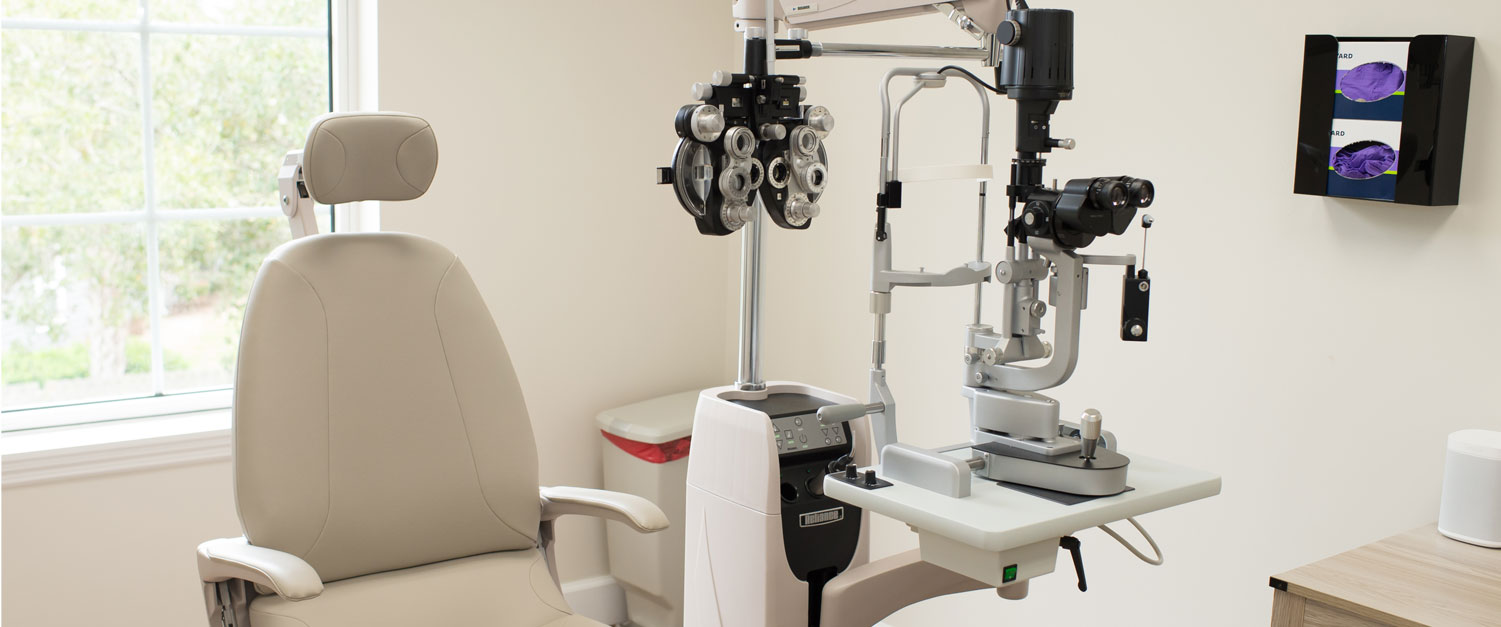
EYE EXAMS AT PALM VALLEY EYE
At Palm Valley Eye, we believe a comprehensive eye exam is the key to quality eye care. This includes getting to know your daily activities, lifestyle, and interests to best assess your vision needs, along with performing a thorough ophthalmic examination to assess your medical eye health.
The American Academy of Ophthalmology recommends regular eye exams after the age of 40 with increasing frequency as you age. The risk of developing diseases such as dry eye, glaucoma, and macular degeneration increases as you age. This is especially important if you already have a known family history of these conditions. Patients with known health disorders, such as diabetes, should have at least yearly eye exams regardless of their age.
At Palm Valley Eye, we are here to be your resource. We make scheduling an appointment easy, and work to create a personal connection with each patient. We want you to know that we are here for you and are accessible to get answers from doctors you know and trust.
Matt C
“DR. SCOTT AND HER STAFF TOOK THE TIME TO THOROUGHLY EXAMINE MY VISION.”
Matt C
“DR. SCOTT AND HER STAFF TOOK THE TIME TO THOROUGHLY EXAMINE MY VISION.”
YEARLY EYE EXAMS
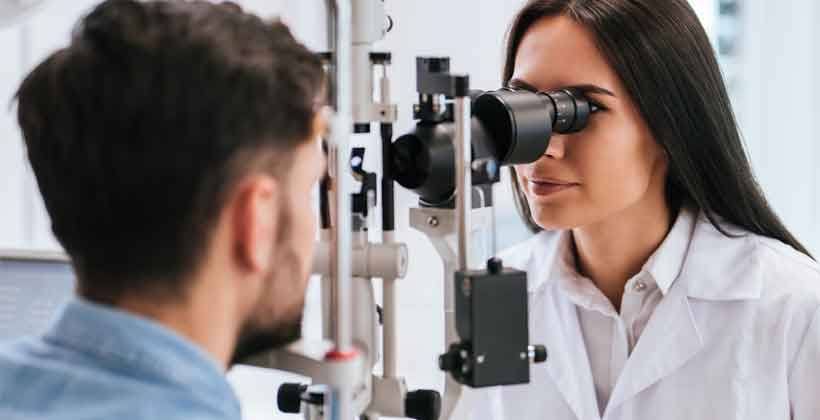
When scheduling medical appointments, don’t forget your eye exams. Regular check ups ensure that you are in the correct prescription lenses and assess for conditions that can affect the vision over time, including dry eye disease, cataracts, sun damage, glaucoma, and macular degeneration. Dr. Scott always does a thorough examination to evaluate for conditions that may not be symptomatic for you yet.
COMMON VISION PROBLEMS
Routine eye exams help detect a variety of problems, including the following:
- Age-Related Macular Degeneration (AMD): A condition that causes loss of central vision
- Glaucoma: Increased pressure in the eye that can damage the optic nerve
- Cataracts: Clouding of the eye’s lens
- Refractive Errors: Conditions that affect vision clarity
- Diabetic Retinopathy: Damage to the retina caused by diabetes
When scheduling medical appointments, don’t forget your routine eye exams. By notifying you of vision deterioration, eye exams help ensure your glasses and contact lenses remain up to date. They’re also key to diagnosing vision problems and eye diseases.
COMMON VISION PROBLEMS
Routine eye exams help detect a variety of problems, including the following:
- Age-Related Macular Degeneration (AMD): A condition that causes loss of central vision
- Glaucoma: A disease that causes optic nerve damage and can lead to peripheral vision loss
- Cataracts: Clouding of the eye’s lens
- Refractive Errors: Conditions that affect vision clarity
- Diabetic Retinopathy: Damage to the retina caused by diabetes
HOW OFTEN SHOULD YOU HAVE EYE EXAMS?
- Infancy and Childhood:
Infants and children should have their vision checked at 6 months, 3 years, and 5 years, with subsequent exams every 1-2 years. This should be more frequent if your eye doctor recommends more frequent follow up. - Adults (18-39):
A baseline eye exam is recommended by age 40, and then follow-up exams every 2-4 years. - Adults (40-54):
Comprehensive eye exams every 2-4 years are recommended, or more frequently if risk factors are present. - Adults (55-64):
Exams every 1-3 years are suggested, or more frequently if risk factors are present. - Adults (65+):
Annual or every 1 year eye exams are recommended. - Individuals with Risk Factors:
People with diabetes, high blood pressure, a family history of eye disease, or other relevant medical conditions should see an eye doctor more frequently, even if they are younger than 40.
The AAO emphasizes that these are general guidelines, and individual needs may vary. It is always best to discuss your specific eye health history and risk factors with your eye doctor to determine the most appropriate exam schedule for you.
WHAT SHOULD YOU EXPECT DURING YOUR EXAM?
At Palm Valley Eye, a standard comprehensive exam always includes vision testing, intraocular pressure measurement, motility exam, pupillary exam, eyelid and surrounding skin examination, anterior segment examination, and dilation with evaluation of the retina and optic nerve. A refraction may be performed at the patients request or if recommended for visual improvement by our staff.
FREQUENTLY ASKED QUESTIONS ABOUT ROUTINE EYE EXAMS
How long does an eye exam take?
A standard eye exam takes 30 to 60 minutes. Appointment times may vary depending on the complexity of the visit and additional testing.
How long do eyes stay dilated after an eye exam?
Eye dilation typically lasts between four to six hours, though in some cases it can persist for up to 24 hours. For your convenience, our office now offers Ryzumvi™ dilation reversal drops. Ask our staff for more information.
Can I drive after an eye exam?
We recommend bringing a driver if you are uncertain about how dilation will affect your vision. Many patients are able to comfortable drive with their prescription lenses and sunglasses.
Can a vision test be wrong?
Visual acuity testing and refractions may be inaccurate if you suffer from dry eye disease or other conditions affecting the surface of your eyes.
Who is at risk of eye diseases?
While anyone can get an eye disease, you’re at a higher risk if you’re an older adult, you have a family history of eye problems or you have a related health condition (such as diabetes).
How can I protect my eyes?
The best way to protect your eyes is to ensure you are keeping up with your regular examinations to catch any sight threatening disease early, optimizing your systemic health, wearing protection during high risk activities, and maintaining a healthy diet with exercise.
FREQUENTLY ASKED QUESTIONS ABOUT ROUTINE EYE EXAMS
How long does an eye exam take?
A standard eye exam takes 30 to 60 minutes. Appointment times may vary depending on the complexity of the visit and additional testing.
How long do eyes stay dilated after an eye exam?
Eye dilation typically lasts between four to six hours, though in some cases it can persist for up to 24 hours. For your convenience, our office now offers Ryzumvi™ dilation reversal drops. Ask our staff for more information.
Can I drive after an eye exam?
We recommend bringing a driver if you are uncertain about how dilation will affect your vision. Many patients are able to comfortable drive with their prescription lenses and sunglasses.
Can a vision test be wrong?
Visual acuity testing and refractions may be inaccurate if you suffer from dry eye disease or other conditions affecting the surface of your eyes.
Who is at risk of eye diseases?
While anyone can get an eye disease, you’re at a higher risk if you’re an older adult, you have a family history of eye problems or you have a related health condition (such as diabetes).
How can I protect my eyes?
The best way to protect your eyes is to ensure you are keeping up with your regular examinations to catch any sight threatening disease early, optimizing your systemic health, wearing protection during high risk activities, and maintaining a healthy diet with exercise.
SCHEDULE AN APPOINTMENT ONLINE
SCHEDULE AN APPOINTMENT ONLINE
EYEGLASS EXAMS
Glasses are a popular tool in correcting visual problems. At Palm Valley Eye, we not only assess your need for a new or updated glasses prescription, but also provide you with an in-depth medical examination to ensure that your glasses will provide you with their intended benefit.
Examined by an Ophthalmologist
At Palm Valley Eye, you will be seen by an ophthalmologist, a medical physician with specialized training in medical eye health. With each and every patient, we take the time to do things right. If a new glasses or contact lens prescription is needed, we will review the expected benefit, as well as discuss any other findings of your exam that may be contributing to vision changes. We are not salesman and prescription changes are only recommended when a change will provide a real benefit for you.
A Doctor Who Knows You
Our staff obtains information to assess your day-to-day visual goals, allowing us to provide you with realistic and beneficial options—while ensuring your care is guided by a team that takes time to understand your needs and build lasting, personal trust.
Call and schedule an examination at Palm Valley Eye today and enjoy eye care as it was meant to be.

Glasses are a popular tool in correcting visual problems. At Palm Valley Eye, we not only assess your need for a new or updated glasses prescription, but also provide you with an in-depth medical examination to ensure that your glasses will provide you with their intended benefit.
Examined by an Ophthalmologist
At Palm Valley Eye, you will be seen by an ophthalmologist, a medical physician with specialized training in medical eye health. With each and every patient, we take the time to do things right. If a new glasses or contact lens prescription is needed, we will review the expected benefit, as well as discuss any other findings of your exam that may be contributing to vision changes. We are not salesman and prescription changes are only recommended when a change will provide a real benefit for you.
A Doctor Who Knows You
Our staff obtains information to assess your day-to-day visual goals, allowing us to provide you with realistic and beneficial options—while ensuring your care is guided by a team that takes time to understand your needs and build lasting, personal trust.
Call and schedule an examination at Palm Valley Eye today. Enjoy eye care as it was meant to be.
CONTACT LENS EXAMS
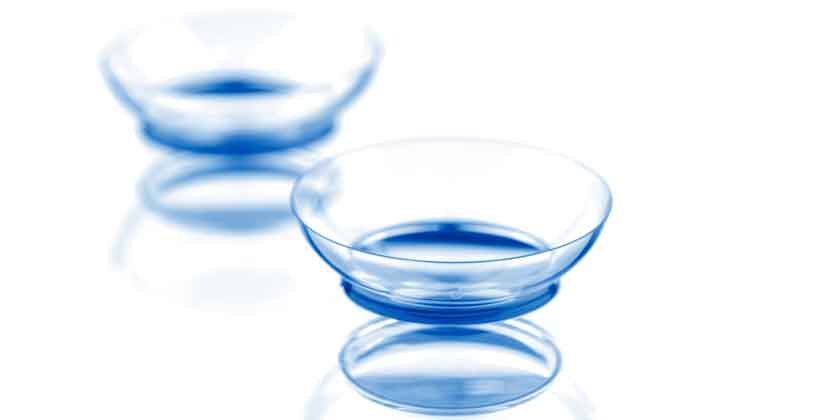
While contact lenses are now easier and more affordable to order than ever before, the initial fitting remains a critical step that should never be compromised. Ensuring the correct prescription and selecting the appropriate type of lens is essential for long-term comfort, eye health, and optimal vision.
Palm Valley Eye provides personalized contact lens fittings and training for patients. Along with a full eye exam, we get to know you and your lifestyle. Are the lenses for sports or everyday use? Will you switch between contacts and glasses? Are you better suited for multi-focal lenses or monovision to help see near and far?
We are here to make sure you get the contact lenses that are right for you.
While contact lenses are now easier and more affordable to order than ever before, the initial fitting remains a critical step that should never be compromised. Ensuring the correct prescription and selecting the appropriate type of lens is essential for long-term comfort, eye health, and optimal vision.
Palm Valley Eye provides personalized contact lens fittings and training for patients. Along with a full eye exam, we get to know you and your lifestyle. Are the lenses for sports or everyday use? Will you switch between contacts and glasses? Are you better suited for multi-focal lenses or monovision to help see near and far?
We are here to make sure you get the contact lenses that are right for you.
CONTACT LENSES FITTING/TRAINING
When it comes to contact lenses, one size does not fit all. Contact lenses that do not fit properly can cause discomfort, blurry vision or damage to the eye. At Palm Valley Eye our doctors take precise measurements and then follow up to make sure you have the perfect fit.
FITTING/TRAINING
When it comes to contact lenses, one size does not fit all. Contact lenses that do not fit properly can cause discomfort, blurry vision or damage to the eye. At Palm Valley Eye our doctors take precise measurements and then follow up to make sure you have the perfect fit.
Corneal Curvature
We measure the curvature or front surface of the eye. Curvature helps determine the best size contact lens to be used. Contact lenses should not be too tight or too loose.
Astigmatism
It also measures for astigmatism, which means the curvature of the eye is not perfectly round. An astigmatism may require a different type of contact lens, known as a toric lens.
Tear Film and Surface Evaluation
One of the most common problems affecting contact lens wear is dry eye. This can lead to discomfort, irritation, eye redness, pain, and increased risk of infection. At Palm Valley Eye, we ensure you know the best hygiene habits for your lenses and how to manage any underlying surface conditions.
Contact Lens Trial and Prescription
After determining your lens brand and prescription, we send our patients home with trials to verify that you are happy with them. Once confirmed, we provide your formal prescription.
At Palm Valley Eye we believe in staying in touch with our patients to make sure your lenses continue to fit well and your eyes are adjusting properly. We make sure we are accessible to answer any follow up questions or concerns you might have. We recommend an annual exam to check your lenses and your overall eye health when using contact lenses.
FREQUENTLY ASKED QUESTIONS ABOUT CONTACT LENSES
How do I know if contact lenses are right for me?
Contact lenses may be right for you if you need prescription lenses and don’t want to wear glasses full-time.
What is the difference between daily, weekly and monthly contact lenses?
Daily contact lenses are the most hygienic and convenient option. However, they’re also more costly and wasteful. Monthly lenses require regular cleaning, but help save money over time. Weekly lenses, which are changed every one to two weeks, offer a balance between the two.
How are contact lenses prescribed?
During a comprehensive eye exam, your ophthalmologist will measure your eyes and evaluate your vision. Then, they will prescribe contact lenses that fit your vision needs.
How do I clean my contact lenses?
If you have weekly or monthly contact lenses, you’ll need to clean them regularly. This involves rubbing the lenses with contact solution, then placing them in a clean case filled with fresh solution. NEVER use tap water with your contact lenses!
How much do contact lenses cost?
The cost of contact lenses varies depending on the type, brand and prescription. They can range anywhere from $100 to over $1,000 a year.
What are signs of an eye infection from contact lenses?
Signs of infection include pain, redness, swelling, blurred vision and light sensitivity. Contact your ophthalmologist immediately if you experience symptoms.
Can I buy contact lenses online?
Yes, you can purchase contact lenses online. However, you’ll need an exam and prescription from your ophthalmologist first. It is also important to note that some online retailers use products that failed inspection or were not approved by the direct distributor.
Do contact lenses expire?
Yes, contact lenses have an expiration date. Wearing expired lenses increases the risk of infections and irritation.
FREQUENTLY ASKED QUESTIONS ABOUT CONTACT LENSES
How do I know if contact lenses are right for me?
Contact lenses may be right for you if you need prescription lenses and don’t want to wear glasses full-time.
What is the difference between daily, weekly and monthly contact lenses?
Daily contact lenses are the most hygienic and convenient option. However, they’re also more costly and wasteful. Monthly lenses require regular cleaning, but help save money over time. Weekly lenses, which are changed every one to two weeks, offer a balance between the two.
How are contact lenses prescribed?
During a comprehensive eye exam, your ophthalmologist will measure your eyes and evaluate your vision. Then, they will prescribe contact lenses that fit your vision needs.
How do I clean my contact lenses?
If you have weekly or monthly contact lenses, you’ll need to clean them regularly. This involves rubbing the lenses with contact solution, then placing them in a clean case filled with fresh solution. NEVER use tap water with your contact lenses!
How much do contact lenses cost?
The cost of contact lenses varies depending on the type, brand and prescription. They can range anywhere from $100 to over $1,000 a year.
What are signs of an eye infection from contact lenses?
Signs of infection include pain, redness, swelling, blurred vision and light sensitivity. Contact your ophthalmologist immediately if you experience symptoms.
Can I buy contact lenses online?
Yes, you can purchase contact lenses online. However, you’ll need an exam and prescription from your ophthalmologist first. It is also important to note that some online retailers use products that failed inspection or were not approved by the direct distributor.
Do contact lenses expire?
Yes, contact lenses have an expiration date. Wearing expired lenses increases the risk of infections and irritation.
Improve Your Vision at Palm Valley Eye Care & Surgeons.
Request an appointment to see how we can help or call us to learn more.
We are also here to assist with ordering contact lenses in order to get the best quality and pricing.